

Shin Splints: Navigating Prevention and Treatment with Taj Said, My Foot Care Podiatrist
Greetings, I’m Taj Said, a seasoned podiatrist at My Foot Care. Today, let’s dive into a common concern that many active individuals face: shin splints. Whether you’re a seasoned athlete or just starting your fitness journey, understanding how to prevent and treat shin splints is crucial for maintaining optimal lower limb health.
Understanding Shin Splints:
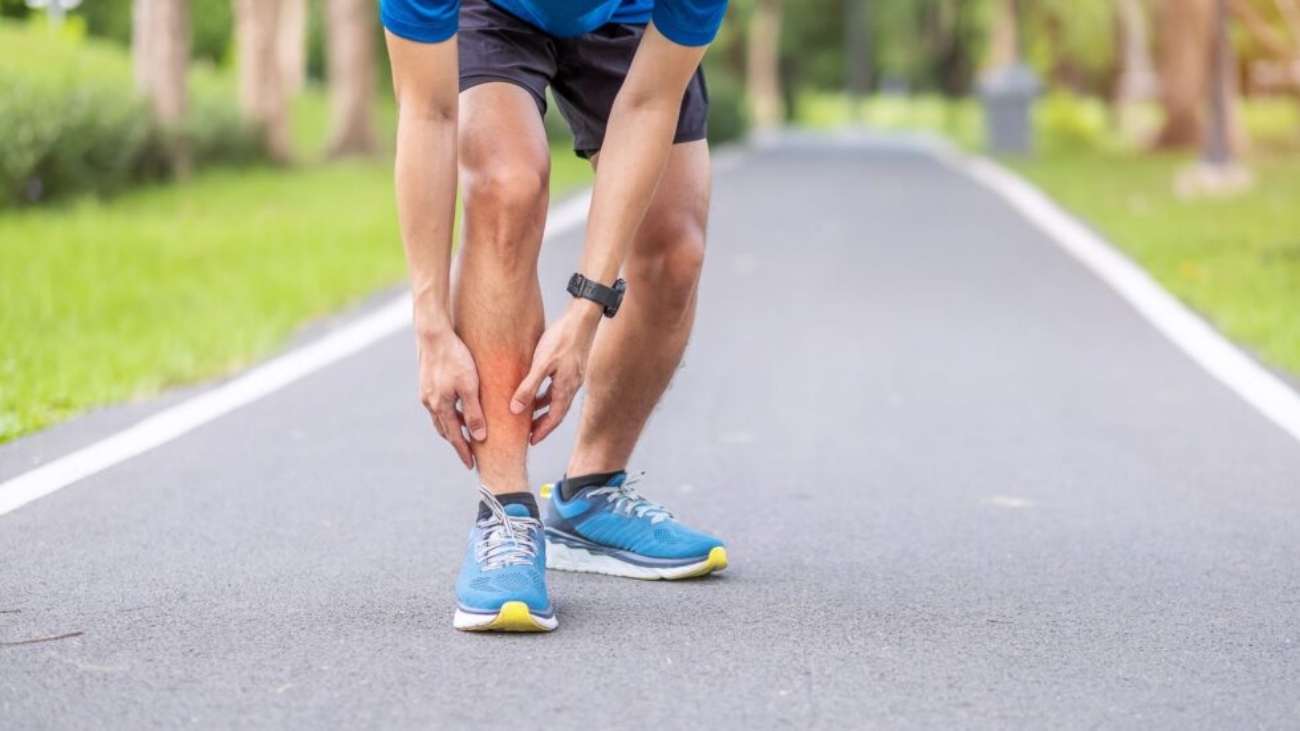
Shin splints, or medial tibial stress syndrome, refer to pain along the inner edge of the shinbone (tibia). This condition often occurs due to repetitive stress on the shinbone and the tissues attaching the shinbone to the muscles.
Prevention Strategies:
- Proper Footwear: Choosing the right footwear is paramount. At My Foot Care, our mobile podiatry services in Sydney extend to personalized assessments of your foot structure and gait, guiding you towards footwear that provides proper support and cushioning.
- Gradual Progression: Avoid sudden spikes in intensity or duration of your workouts. Whether you’re a runner or engage in high-impact activities, gradual progression allows your muscles and bones to adapt, reducing the risk of shin splints.
- Cross-Training: Incorporate low-impact exercises into your routine, such as swimming or cycling, to give your shins a break from repetitive stress.
- Proper Warm-up and Stretching: My Foot Care emphasizes the importance of a thorough warm-up and targeted stretches for the calf muscles before engaging in physical activities. This prepares your muscles for the demands of exercise and reduces strain on the shins.
Treatment Approaches:
- Rest and Ice: If you suspect shin splints, give your legs adequate rest and apply ice to reduce inflammation. Taj Said at My Foot Care can guide you on proper icing techniques to maximize its effectiveness.
- Anti-Inflammatory Medications: Over-the-counter medications can help manage pain and inflammation. However, it’s crucial to consult with a healthcare professional before starting any medication regimen.
- Orthotic Support: My Foot Care offers custom orthotics tailored to your foot structure. These can provide additional support and cushioning, addressing biomechanical issues contributing to shin splints.
- Physical Therapy: Taj Said often recommends physical therapy exercises to strengthen the muscles around the shin, promoting better shock absorption and reducing stress on the tibia.
When to Seek Professional Help:
If shin splint symptoms persist despite conservative measures, seeking professional assistance is essential. My Foot Care’s mobile podiatry services in Sydney bring expertise directly to you, ensuring a thorough assessment and personalized treatment plan.
Conclusion: Stride Towards Shin Health with My Foot Care:
Shin splints can be a setback, but with the right guidance and proactive measures, you can overcome them. At My Foot Care, our commitment to your lower limb health extends beyond the clinic, reaching you with our mobile podiatry services in Sydney. Contact us today, and let’s work together to keep your strides pain-free and your shins in optimal condition.
Taj Said, Podiatrist at My Foot Care